
IBM bets on a foundry to scale quantum computing
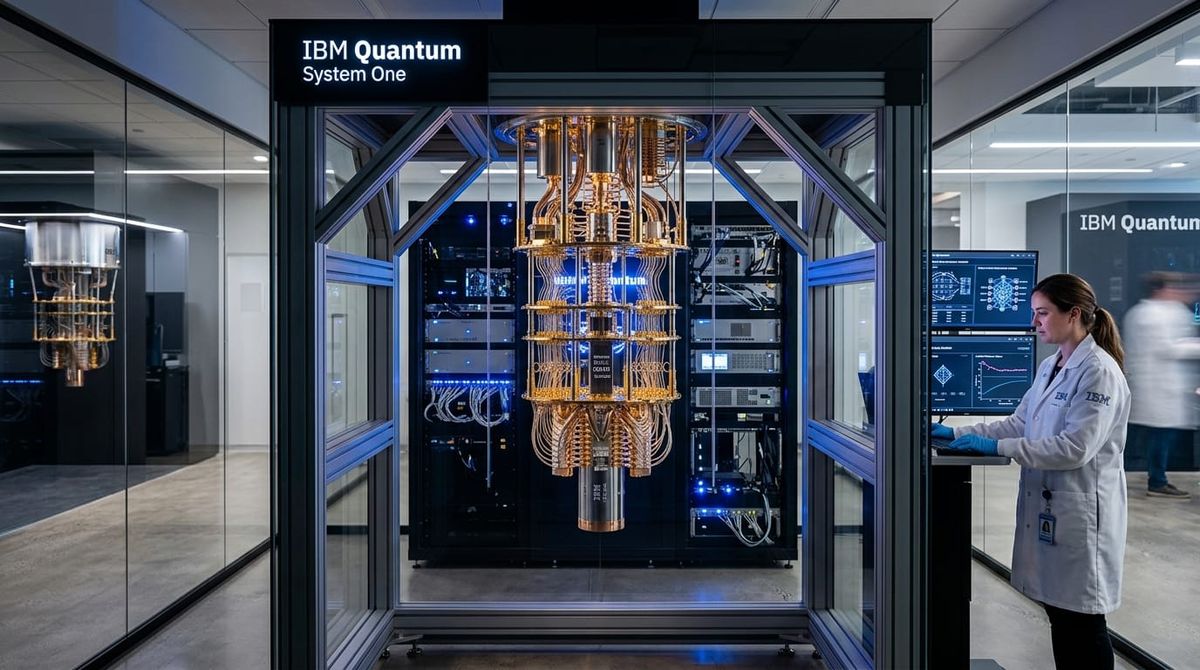
IBM bets on a foundry to scale quantum computing
IBM is moving to turn a decade of quantum-computing research at its Yorktown Heights, New York, laboratory into a scalable commercial business rather than an expensive science project, executives told the Wall Street Journal.
The centerpiece is Anderon, a new independent subsidiary and foundry that will produce the silicon wafers needed to make quantum-computing processors. The venture is seeded with $1 billion from the Trump administration and a matching $1 billion of IBM's own cash, the company said. It will begin by expanding IBM’s existing wafer facility in Albany, New York. “Now we have to scale it,” Director of Research Jay Gambetta said.
Anderon gives IBM a new line of business selling wafers to rival quantum firms while securing its own steady supply. The company aims to capture part of a market the Boston Consulting Group projects at $90 billion to $170 billion by 2040. IBM also plans to spend an additional $9 billion over five years to deliver Starling, a fault-tolerant quantum computer targeted for 2029, with a more powerful machine planned for 2033.
The bet rides on superconducting qubits, which IBM favors for speed and scalability despite their need for near-deep-space cooling and heavy error correction. Anderon will initially serve firms using that same modality—among them Google, Rigetti Computing and D-Wave Quantum—before expanding as demand grows.
The push comes amid surging federal and investor enthusiasm. The administration is investing roughly $2 billion across nine quantum firms through the Commerce Department, and President Trump signed executive orders Monday setting a 2028 goal for research-grade quantum machines and directing agencies to prepare for threats to standard encryption. CEO Arvind Krishna attended the signing.


Comments ()